Under the new rules, banks and PSPs must regularly update their databases using the Mobile Number Revocation List/Digital Intelligence Platform (MNRL/DIP).
Starting April 1, if your bank-registered mobile number is found to be inactive for a long time, your UPI ID linked to that number will be automatically deactivated.
This means you will no longer be able to make UPI payments or receive money using that ID.
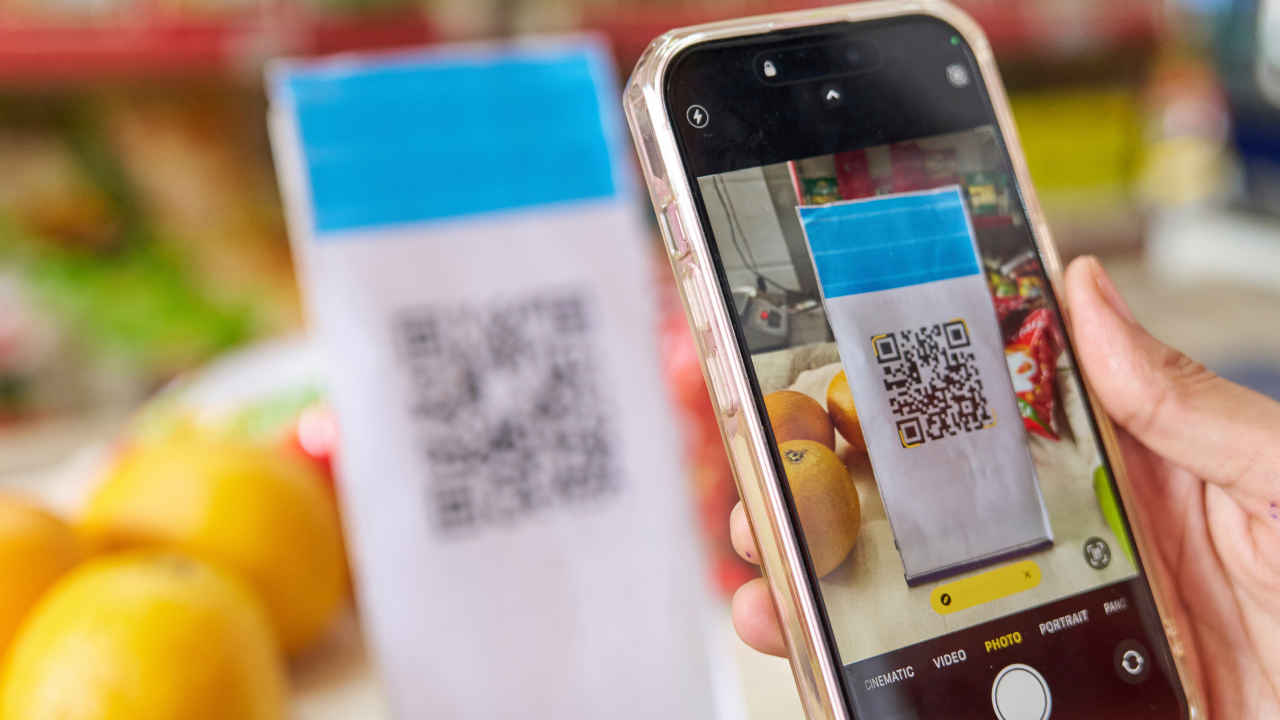
The National Payments Corporation of India (NPCI) has introduced new UPI rules. The changes will take effect from April 1, 2025, and will impact banks, Payment Service Providers (PSPs), and third-party UPI apps like PhonePe, Google Pay, and Paytm. One major update involves how mobile numbers linked to UPI IDs are managed.
 Survey
Under the new rules, banks and PSPs must regularly update their databases using the Mobile Number Revocation List/Digital Intelligence Platform (MNRL/DIP). This process must happen at least once a week to prevent transaction errors caused by outdated or reassigned mobile numbers.


Also read: UPI: The Ease Of Payment Comes At A Cost
If a mobile number remains unused for three months—meaning no calls, texts, or data usage— it will be deactivated by the telecom service provider. After a 90-day gap, the number can be reassigned to a new user. These are known as recycled or churned numbers.
Starting April 1, 2025, if your bank-registered mobile number is found to be inactive for a long time, your UPI ID linked to that number will be automatically deactivated. This means you will no longer be able to make UPI payments or receive money using that ID.
What UPI users need to do
To avoid any disruptions in UPI transactions, users must ensure their bank-registered mobile numbers are active. If you have changed your mobile number, it is important to update it with your bank as soon as possible.
Also read: UPI down in India: Users unable to make payments via Paytm, PhonePe and other apps
Meanwhile, NPCI is also making changes to the “Collect Payment” feature in UPI to tackle fraud. According to an Economic Times report, this feature will now be restricted to only large, verified merchants. For person-to-person transactions, the collect request amount will be capped at Rs 2,000.
Also read: iQOO 12 price drops by Rs 11,000 on Amazon and you don’t need to apply any offer
 Follow Us
Ayushi Jain
Tech news writer by day, BGMI player by night. Combining my passion for tech and gaming to bring you the latest in both worlds. View Full Profile


